Loud machinery does not just annoy people. Over time, it can harm hearing and lower productivity. This is why more industrial sites are turning to acoustic doors as a core acoustic solution product. They block sound at the exact points where it would otherwise escape a building or enclosure.
What Is an Acoustic Door?
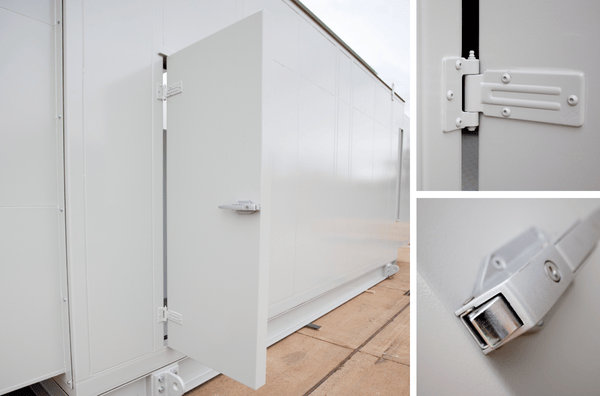
An acoustic door is a heavy, sealed door built to stop sound from passing through a wall or enclosure opening. Unlike a standard door, it uses dense materials and tight seals around every edge to close off the small gaps where noise usually leaks out. IMS builds both single and double acoustic doors, so they can fit a wide range of openings, from small plant rooms to large engine halls.
Why Noise Control at Doorways Matters
A wall can be well insulated, but if the door is weak, most of the noise reduction is lost. Sound naturally finds the easiest path out of a room, and an untreated door is often that path. Fitting the right acoustic door closes this gap and protects the overall sound rating of the room.
Three Levels of Sound Reduction
IMS acoustic doors come in three sound reduction levels: 30dB, 38dB, and 45dB. This range lets a facility choose the right level of protection for its needs.
- 30dB suits general plant rooms with moderate noise
- 38dB suits busier industrial spaces with higher background noise
- 45dB suits sites needing the highest level of sound isolation, such as spaces next to offices or public areas
Choosing the correct level depends on the noise source, the size of the room, and how close people will be working to the door.
Health and Productivity Benefits
Long-term exposure to excessive noise can affect employees’ hearing and overall well-being. It can also reduce focus and productivity in nearby work areas. Acoustic doors help meet workplace noise regulations while keeping staff safe and comfortable. This makes them a practical investment, not just a compliance requirement.
Where Acoustic Doors Are Used
Acoustic doors are commonly fitted in:
- Generator and plant rooms
- Power stations
- Hospitals and healthcare facilities
- Data centres
- Petro-chemical and marine engine spaces
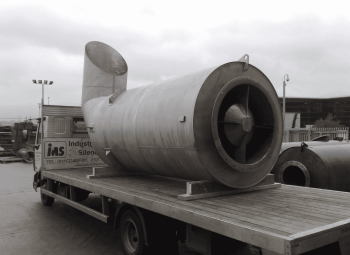
They are often used together with acoustic enclosures, canopies, and attenuators, forming a complete noise control system around an engine or generator.
Choosing the Right Acoustic Door
The best choice depends on three things: how loud the source is, how close people work to the door, and what noise level the site must meet by law or by internal policy. A site survey is the most reliable way to match the correct dB rating to the actual environment.
Frequently Asked Questions
What does an acoustic door do? It blocks sound from passing through a doorway, protecting the noise reduction achieved by the surrounding walls or enclosure.
What sound reduction levels are available? IMS offers 30dB, 38dB, and 45dB acoustic doors, covering light, moderate, and high noise environments.
Can acoustic doors come as single or double doors? Yes. IMS manufactures both single and double acoustic doors to fit different opening sizes.
Why are acoustic doors important for employee health? Constant exposure to high noise levels can damage hearing and reduce well-being. Acoustic doors help lower noise exposure in the workplace.
Industrial & Marine Silencers manufactures acoustic doors as part of its full acoustic solution product range, alongside acoustic canopies and enclosures. Contact Industrial & Marine Silencers to find the right sound reduction level for your facility.