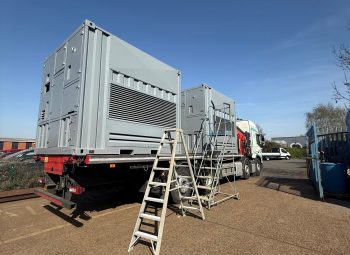
A diesel particulate filter (DPF) is a device fitted to diesel vehicles to reduce particulate matter (PM) emissions from the exhaust gas. It works by trapping soot particles while allowing the gaseous components to escape. This helps meet emission standards and improves air quality.
Here’s a more detailed explanation:
𝗪𝗵𝗮𝘁 𝗶𝘁 𝗱𝗼𝗲𝘀:
DPFs capture soot particles, which are a byproduct of diesel combustion, and prevent them from being released into the atmosphere.
𝗛𝗼𝘄 𝗶𝘁 𝘄𝗼𝗿𝗸𝘀:
Exhaust gases pass through the DPF, and the porous walls of the filter trap the soot particles.
𝗜𝗺𝗽𝗼𝗿𝘁𝗮𝗻𝗰𝗲:
DPFs are crucial for meeting emissions standards, reducing harmful air pollution, and improving public health.
𝗖𝗼𝗻𝘀𝗲𝗾𝘂𝗲𝗻𝗰𝗲𝘀 𝗼𝗳 𝗮 𝗳𝗮𝘂𝗹𝘁𝘆 𝗗𝗣𝗙:
A blocked or malfunctioning DPF can lead to reduced engine performance, decreased fuel efficiency, and potentially costly repairs, according to motoring publications.
Diesel particulate filters (DPFs) can be broadly categorised into passive and active types, based on their regeneration process. Additionally, the filter material itself can vary, with ceramic (cordierite or silicon carbide) and metal fibre being the most common.
𝗧𝘆𝗽𝗲𝘀 𝗼𝗳 𝗗𝗣𝗙𝘀 𝗯𝘆 𝗥𝗲𝗴𝗲𝗻𝗲𝗿𝗮𝘁𝗶𝗼𝗻 𝗠𝗲𝘁𝗵𝗼𝗱:
𝗣𝗮𝘀𝘀𝗶𝘃𝗲 𝗗𝗣𝗙𝘀:
These rely on the heat generated by the engine during normal driving to burn off trapped soot. They are common in vehicles that frequently experience higher exhaust temperatures, like those used for longer journeys.
𝗔𝗰𝘁𝗶𝘃𝗲 𝗗𝗣𝗙𝘀:
These use an external heat source, like fuel injection, to initiate regeneration when the exhaust temperature is not high enough for passive regeneration. They are often found in vehicles that primarily do short trips or city driving.
𝗧𝘆𝗽𝗲𝘀 𝗼𝗳 𝗗𝗣𝗙𝘀 𝗯𝘆 𝗙𝗶𝗹𝘁𝗲𝗿 𝗠𝗮𝘁𝗲𝗿𝗶𝗮𝗹:
Ceramic (Cordierite or Silicon Carbide):
These are the most common types, offering good thermal resistance and filtration efficiency.
Metal Fibre:
These are more resistant to thermal shock and are often used in heavy-duty or off-road vehicles.
𝗗𝗣𝗙 𝗥𝗲𝗴𝗲𝗻𝗲𝗿𝗮𝘁𝗶𝗼𝗻:
Regardless of the type, DPFs need to be periodically regenerated to remove accumulated soot. This can be achieved through:
Passive Regeneration:
Occurs automatically during normal driving when exhaust temperatures are high enough.
Active Regeneration:
Triggered by the engine control unit (ECU) when passive regeneration is insufficient, often involving additional fuel injection.
Forced Regeneration:
A manual process performed by a mechanic or technician to clean a severely clogged DPF.
At Industrial and Marine Silencers Ltd, we specialise in advanced exhaust aftertreatment solutions, including high-performance Diesel Particulate Filters (DPFs) designed for a wide range of industrial and marine applications. Our DPFs help reduce harmful emissions, improve air quality, and ensure compliance with the latest environmental regulations. Whether you need passive or active regeneration systems, ceramic or metal-based filters, we provide reliable, custom-engineered solutions built to perform in demanding environments. Explore our full range of DPF products here or get in touch with our team for expert advice.