Chemical plants and food processing facilities in Europe often expose workers to high noise levels. Long exposure can harm hearing and increase stress. Under EU Directive 2003/10/EC, employers must control noise risks and protect staff health. If noise is not managed properly, workers may suffer permanent hearing damage and companies may face legal and financial risks.
The EU sets a maximum workplace noise limit of 87 dB(A) over an 8-hour shift. Some countries apply stricter rules, such as 85 dB(A) in Germany. Going above these limits increases the risk of fines, claims, and enforcement actions. Employers are responsible for reducing noise at the source, not relying only on hearing protection.
Chemical and food plants create noise from many machines. In chemical plants, common sources include compressors, pumps, steam vents, mixers, and cooling systems. These can run at 90–100 dB, with short peaks above 110 dB. In food processing, noise comes from conveyors, packaging machines, grinders, refrigeration units, and fast production lines. Levels often stay between 85–95 dB.
Excessive noise affects more than hearing. It increases stress, raises accident risk, and leads to higher staff turnover. It also contributes to more sick leave and lower productivity. Hearing loss claims in Europe are costly, often ranging from €80,000 to €150,000 per case. Prevention is far cheaper than dealing with long-term damage and compensation claims.
We design and manufacture at Industrial and Marine Silencers Ltd. Our goal is to reduce industrial noise and help companies meet legal limits. We provide practical solutions for factories across Europe.
We design and manufacture:
- Exhaust Gas Silencers
- Air Intake Silencers
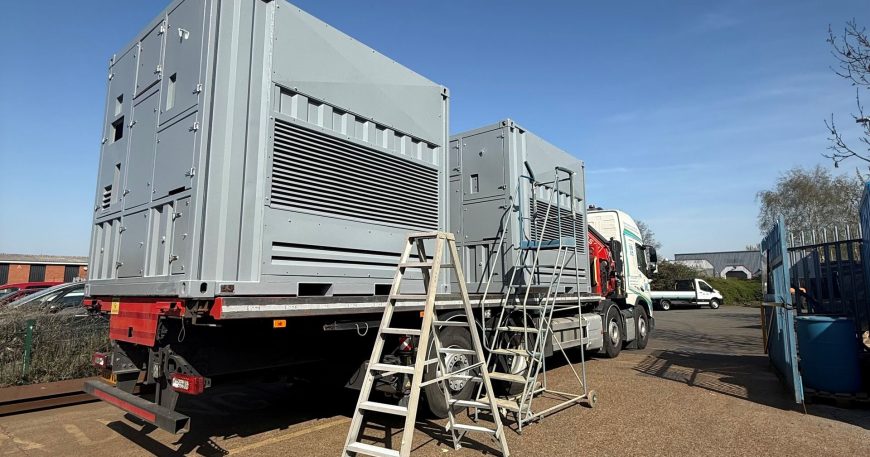
- Acoustic Enclosures and Doors
- Steam Vent Silencers
- Custom Acoustic Solutions
A simple way to manage industrial noise is to follow a step-by-step approach. First, measure noise levels across the facility using professional assessment tools. Second, identify the loudest machines and work areas. Third, choose the right solution, such as silencers, enclosures, or vibration control systems. Fourth, install the equipment and check performance with follow-up testing. Finally, keep records and monitor regularly to ensure continued compliance. This process helps companies stay within legal limits and protect workers from long-term hearing damage.
Reducing noise protects workers and reduces legal risk. Regular assessment, monitoring, and proper equipment can keep levels within safe limits. Industrial and Marine silencers ltd helps chemical plants and food processing facilities design effective noise control systems. Contact our team for assessment, advice, and tailored solutions.
Good noise control also improves productivity and creates a safer working environment overall for everyone.