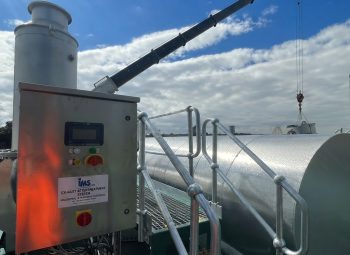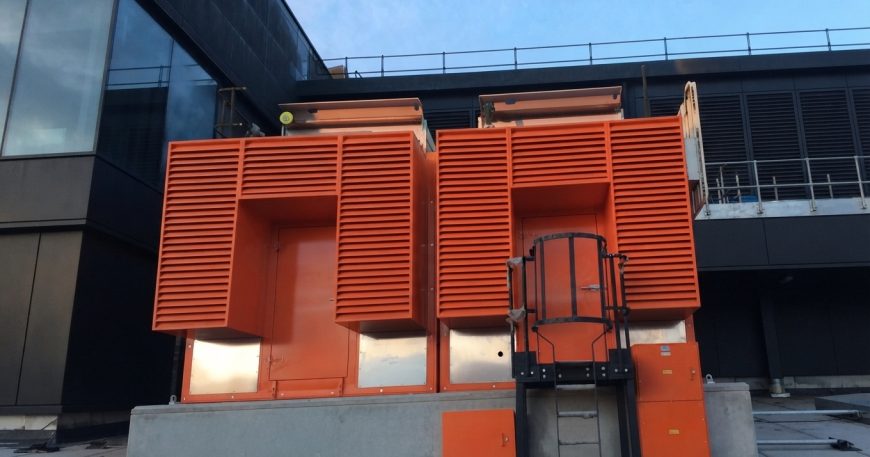
If you’ve ever stood next to a running generator or a busy plant room, you know how loud things can get. Now imagine that noise happening every single day, right next to offices, homes, or a busy street. That’s the exact problem air inlet and extract attenuators are built to solve.
What Are We Actually Talking About?
Most industrial plants think diesel generators, compressors, or large HVAC systems need a constant flow of air to keep running properly. That air has to come from somewhere and go somewhere, usually through openings in the plant room walls or roof. The trouble is, those same openings let noise travel straight out into the surrounding area.
Air inlet and extract attenuators sit inside these openings and quietly do their job in the background. They let air pass through freely while cutting down the noise that would otherwise escape. Think of them as a filter, but for sound instead of dust.
Why Bother With Them?
A few reasons come to mind, and they all matter:
Keeping the neighbours happy. Plant rooms are often close to residential areas or other businesses. Nobody wants complaints from next door about a constant humming or roaring sound.
Staying on the right side of regulations. Noise levels around industrial sites are usually monitored and regulated. Without proper attenuation, a site can easily breach local limits and face fines or forced shutdowns.
Protecting the equipment’s performance. Here’s the part people often miss: plant rooms still need proper airflow to work efficiently. Sealing everything up to block noise isn’t an option because the machinery would overheat. Attenuators strike that balance, letting air move freely while managing the sound.
Better working conditions. For staff working near these areas, constant noise exposure is genuinely unhealthy over time. Reducing it makes for a safer, more comfortable workplace.
What Goes Into a Good Design
Not every plant room is the same, so a one-size-fits-all attenuator rarely works well. A few things typically get considered before choosing the right setup:
- How much airflow the plant actually needs, since restricting it too much can cause overheating
- The frequency range of the noise being produced, because different sound frequencies need different treatment
- Space available for installation, as some sites have tight physical constraints
- Weather exposure, particularly for outdoor or rooftop installations
- Local dust, moisture, or corrosive elements in the air, which affect material choice
This is often paired with acoustic louvres and splitter attenuators, which work together to manage both sound and weather protection at the same opening.
Why Bespoke Solutions Matter
Off-the-shelf products can work for simple setups, but industrial sites are rarely simple. A generator room in a coastal area dealing with salty air has completely different needs than an inland facility surrounded by dust and grit. That’s why bespoke attenuators, designed around the actual airflow requirements, noise targets, and site conditions, tend to perform far better long-term than a generic fit.
A properly designed system also tends to need less maintenance down the line, since it’s built for the specific environment from day one. Air inlet and extract attenuators aren’t the flashiest part of a facility, but they quietly solve a real problem: noise complaints, regulatory trouble, and equipment issues. Getting the design right from the start makes a genuine difference to how smoothly a facility runs and how well it fits into its surroundings.
Need a Solution for Your Site?
At Industrial & Marine Silencers Ltd, we design and manufacture bespoke air inlet and extract attenuators tailored to your exact airflow, noise, and site requirements. Our team works from our Leicestershire facility to deliver solutions that meet the toughest acoustic and environmental demands. Get in touch today to discuss your plant room noise challenges.