Picture standing near a pressure relief valve the moment it releases steam. It is not a gentle hiss; It is closer to a jet engine at takeoff, sometimes over 120 decibels. That kind of noise is not just uncomfortable; it’s genuinely dangerous for anyone nearby. This is exactly the problem steam vent silencers are designed to fix.
Why Steam Venting Gets So Loud
When high-pressure steam is suddenly released into open air, whether through a safety valve, a vent line, or a pressure relief system, it expands extremely fast. That rapid expansion creates intense turbulence, and turbulence means noise. Lots of it. Without any control in place, this can easily exceed safe workplace exposure limits, sometimes by a wide margin.
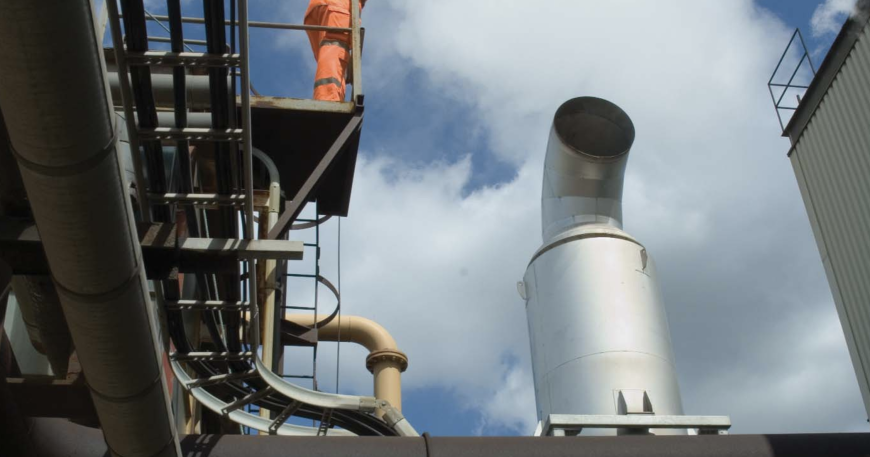
Steam vent silencers, also called blow-off or atmospheric silencers, are built specifically to tame this. They don’t stop the steam from venting; they just manage how loudly it happens.
Where This Shows Up in Real Facilities
This isn’t a niche issue limited to one type of plant. Steam venting noise is a common challenge across:
- Power generation stations
- Boiler houses and heat recovery steam generators
- Petrochemical and refining facilities
- Manufacturing sites running high-pressure steam systems
Basically, anywhere pressurised steam gets released to the atmosphere on a regular basis, this becomes a problem worth solving properly, not just something to work around.
How They Actually Work
There’s a bit of engineering behind these units, but the core idea is fairly simple once you break it down:
Diffusion first. The incoming steam is expanded and diffused inside the silencer, which slows its velocity and lowers the pressure. This step turns a lot of that turbulent energy into heat instead of noise.
Absorption next. As the steam continues through the unit, internal acoustic materials soak up sound energy, particularly in the mid-to-high frequency range, which is often the most piercing and hardest on the ears.
A refined exit. The tailpipe or outlet section is shaped to further reduce sound before the steam finally reaches open air, without choking off the flow or hurting performance.
Getting the Engineering Right
Choosing the right silencer isn’t a guessing game, and it shouldn’t be treated as one. A few factors typically drive the design:
- The flow rate and pressure of the steam being vented
- Upstream temperature and the type of medium involved
- The target noise reduction level needed for the site
- Physical space and mounting method, whether flanged or welded
- Local and industry regulations that apply to the facility
Getting any of these wrong can mean a silencer that either fails to bring noise down enough or restricts flow in a way that affects safety and performance. This is genuinely an area where experienced engineering input pays off.
Staying Compliant
In the UK, the Control of Noise at Work Regulations 2005 sets clear limits on how much noise employees can be exposed to. Go over those limits without proper controls in place, and a business isn’t just risking hearing damage among staff, it’s risking regulatory penalties and complaints from the surrounding community too.
A well-designed steam vent silencer ticks all three boxes at once: protecting workers, keeping noise within legal limits, and avoiding friction with neighbours near the site.
Ready to Bring the Noise Down?
Industrial & Marine Silencers Ltd designs and manufactures steam vent silencers engineered around your exact pressure, flow, and site conditions, so you stay safe, compliant, and community-friendly. Our engineers can advise on the right specification for your facility from the ground up. Contact us to discuss your steam venting noise challenge.