News

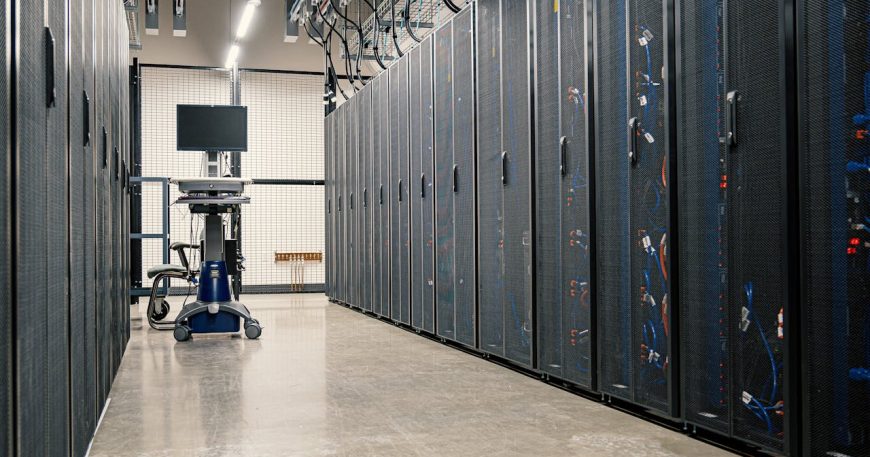
Heat reuse infrastructure in a sustainable data centre

The Future of Data Centres

Data centres are evolving rapidly to keep up with growing digital demands—from cloud computing and AI to streaming services and connected devices. As our world becomes more connected, the future of data centres will focus on more power, greater efficiency, and lower environmental impact. Here’s an overview of the key trends that are shaping the […]
Read More +
Industrial and Marine Silencers Ltd

𝗪𝗵𝗮𝘁 𝗮𝗿𝗲 𝗧𝗶𝗲𝗿 𝟰 𝗗𝗶𝗲𝘀𝗲𝗹 𝗘𝗻𝗴𝗶𝗻𝗲 𝗦𝘁𝗮𝗻𝗱𝗮𝗿𝗱𝘀?

In the U.S., “Tier 4” signifies stringent emissions standards set by the Environmental Protection Agency (EPA) for non-road diesel engines. These regulations, phased in from 2008 to 2015, target reducing particulate matter (PM) and nitrogen oxides (NOx) emissions from equipment like construction machinery, agricultural vehicles, and forklifts. Tier 4 engines employ advanced technologies such as […]
Read More +
Industrial and Marine Silencers Ltd

Meta Launches AI Supercluster Era with Prometheus and Hyperion Projects

Meta is embarking on a groundbreaking venture to establish the world’s first multi-gigawatt AI superclusters, featuring the impressive 1GW Prometheus and the massive 5GW Hyperion. Mark Zuckerberg has unveiled the ambitious plan, with the initial data center, Prometheus, slated to be operational by 2026. This facility, covering an area comparable to Manhattan, is just the […]
Read More +
Industrial and Marine Silencers Ltd

𝗪𝗵𝗮𝘁 𝗶𝘀 𝗗𝗶𝗲𝘀𝗲𝗹 𝗣𝗮𝗿𝘁𝗶𝗰𝘂𝗹𝗮𝘁𝗲 𝗙𝗶𝗹𝘁𝗿𝗮𝘁𝗶𝗼𝗻?

A diesel particulate filter (DPF) is a device fitted to diesel vehicles to reduce particulate matter (PM) emissions from the exhaust gas. It works by trapping soot particles while allowing the gaseous components to escape. This helps meet emission standards and improves air quality. Here’s a more detailed explanation: 𝗪𝗵𝗮𝘁 𝗶𝘁 𝗱𝗼𝗲𝘀: DPFs capture soot […]
Read More +
SCR Systems - IMS

𝗪𝗵𝗮𝘁 𝗶𝘀 𝗦𝗲𝗹𝗲𝗰𝘁𝗶𝘃𝗲 𝗖𝗮𝘁𝗮𝗹𝘆𝘁𝗶𝗰 𝗥𝗲𝗱𝘂𝗰𝘁𝗶𝗼𝗻?

Selective Catalytic Reduction (SCR) is a technology utilized to reduce nitrogen oxide (NOx) emissions in exhaust streams, commonly applied in vehicles and industrial settings. By introducing a reductant, typically a urea-based solution such as AdBlue or Diesel Exhaust Fluid (DEF), into the exhaust stream, the technology triggers a reaction with NOx over a catalyst, resulting […]
Read More +
How do I reduce the noise of my industrial engine- IMS

How do I reduce the noise of my industrial engine?

To make an industrial engine quieter, focus on reducing noise at its source (engine), managing vibration, and controlling sound transmission. This involves using sound-absorbing materials, anti-vibration mounts, and enclosures, as well as upgrading components like mufflers and possibly the engine itself with a quieter design. Here’s a more detailed breakdown: 1. Reduce Noise at the […]
Read More +
noise reduction | Silencers

How Industrial Silencers Improve Workplace Safety and Reduce Noise Pollution in the UK

In the bustling world of UK industry, two critical concerns stand out: workplace safety and environmental protection. Loud machinery and harmful emissions aren’t just an inconvenience; they pose real risks to employees and the planet. That’s where advanced industrial silencers from Industrial and Marine Silencers Ltd come in, offering powerful solutions that address both issues […]
Read More +
Stage V Reduction

The Role of Advanced Silencers in Noise and Emissions Control

In today’s industrial and marine environments, the need to control both noise and emissions has never been more important. As regulations tighten and environmental awareness grows, businesses are looking for smarter solutions to reduce their impact. One of the most effective ways to tackle both issues is through the use of advanced silencers. These aren’t […]
Read More +

Get a quote

Fill out the form below, and we will be in touch shortly.
Contact Information
Company Information