To make an industrial engine quieter, focus on reducing noise at its source (engine), managing vibration, and controlling sound transmission. This involves using sound-absorbing materials, anti-vibration mounts, and enclosures, as well as upgrading components like mufflers and possibly the engine itself with a quieter design.
Here’s a more detailed breakdown:
1. Reduce Noise at the Source:
Engine Type:
Consider a more inherently quiet engine design, like a turbocharged engine, which can reduce noise compared to naturally aspirated engines.
Engine Modifications:
Muffler/Silencer: Upgrade or replace the muffler with a higher-quality, industrial-grade model to reduce exhaust noise.
Exhaust System: Reposition the exhaust to direct noise away from sensitive areas or consider adding an exhaust silencer.
Sound Dampening Materials
Install sound-deadening materials in the engine compartment to absorb vibrations and reduce noise transmission to the surrounding environment.
Regular Maintenance: Ensure proper maintenance of the engine, including oil changes, to minimize friction and noise.
Turbochargers:
If applicable, ensure the turbocharger is functioning correctly, as they can reduce noise by increasing engine efficiency and reducing the need for high engine speeds.
2. Manage Vibration:
Anti-Vibration Mounts (AVMs):
Install AVMs under the engine to isolate vibrations and prevent them from transferring to the surrounding structure.
Flexible Joints:
Use flexible joints in exhaust and other connections to minimize vibration transfer.
3. Control Sound Transmission:
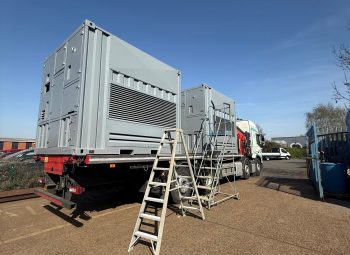
Acoustic Enclosures: Enclose the engine in a soundproof enclosure to contain noise.
Acoustic Barriers: Install barriers like walls or fences to block and absorb noise from reaching sensitive areas.
Acoustic Insulation: Line walls and ceilings within the enclosure with sound-absorbing materials like perforated steel or other suitable materials.
Distance: Position the engine as far away as practical from noise-sensitive areas.
Reducing industrial engine noise isn’t just about comfort — it’s essential for meeting regulations, protecting workers, and maintaining a productive environment. By choosing the right type of silencer, investing in quality materials, and ensuring proper installation and maintenance, you can significantly lower noise levels. At Industrial and Marine Silencers Ltd, we specialise in tailored noise control solutions that are built to perform. If you’re looking for expert advice or a custom-built silencer, we’re here to help.